Buy geschenke-24.eu ?
We are moving the project
geschenke-24.eu .
Are you interested in purchasing the domain
geschenke-24.eu ?
domain@kv-gmbh.de · 0541-91531010
Buy geschenke-24.eu ?
What are the differences between covalent bonds, metallic bonds, and ionic bonds?
Covalent bonds are formed when two atoms share electrons, resulting in a strong bond between the atoms. Metallic bonds occur between metal atoms, where the electrons are delocalized and free to move throughout the structure, creating a strong bond. Ionic bonds are formed between a metal and a nonmetal, where one atom transfers electrons to the other, resulting in the formation of positively and negatively charged ions that are attracted to each other. Overall, covalent bonds involve electron sharing, metallic bonds involve electron delocalization, and ionic bonds involve electron transfer. **
Do CO bonds form with other CO bonds?
No, CO bonds do not typically form with other CO bonds. Carbon monoxide (CO) is a stable molecule with a triple bond between the carbon and oxygen atoms. This triple bond is strong and does not readily form additional bonds with other CO molecules. Instead, CO molecules tend to interact with other types of molecules through various types of chemical reactions. **


Similar search terms for Bonds
Top-Angebote
Products related to Bonds:
-
Scholastic Official Harry Potter Advent Calendar: Official Advent Calendar - 24 Days of Christmas Surprises & Wizarding World GiftsCountdown to Christmas in this gorgeous advent calendar featuring enchanting illustrations inspired by the Harry Potter films. Have a magical Christmas with Harry Potter, Ron Weasley, Hermione Granger and all your other favourite characters from the Wizarding World in this official Harry Potter advent calendar. This gorgeous illustrated book unfolds to reveal 24 pockets – each with its own holiday surprise inside! From mini books and stickers to colouring sheets and holiday cards, there’s something for everyone. Return to Hogwarts with this advent calendar inspired by the films The perfect gift for kids, collectors and Harry Potter fans of all ages! Includes mini books, stickers and more, for hours of fun.8,70 £*Shipping: 2,99 £Secure redirect to the provider
-
Murdoch Books Made For You Summer By Sophie Hansen Recipes For Gifts And CelebrationsMade for You Summer - Recipes for gifts and celebrations Description This collection includes a pork and pistachio terrine; home-made rosemary crackers; a show-stopping cherry galette and a refreshing vanilla; peach and mint iced tea. With inspiring practical tips and beautiful photography throughout; this book is one of four in a collectable series; each not only full of gift ideas but a beautiful gift in itself.5,95 £*Shipping: 2,99 £Secure redirect to the provider
-
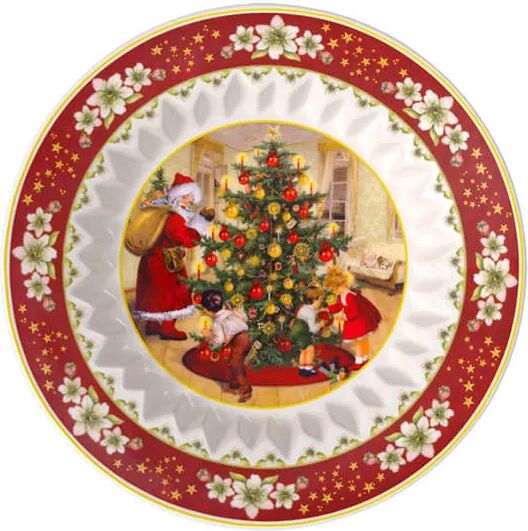
Villeroy & Boch Toys Fantasy Large Presents BowlThe Villeroy & Boch Toy's Fantasy Large Presents Bowl brings festive cheer to your dining table with its delightful Christmas design featuring Santa and a tree. Crafted from premium porcelain, this bowl showcases intricate detailing with stars and holly, making it perfect for serving festive treats during the holiday season. Its microwave-safe feature adds convenience, allowing you to easily reheat your delicious offerings. Whether it is placed on a dining table, coffee table or displayed on a mantlepiece, this bowl will perfectly compliment other pieces from the Toys Fantasy range. Made from premium Porcelain. Dimensions: 4.6(H) cm. Hand wash recommended. Microwave safe.28,71 £*Shipping: 3,50 £Secure redirect to the provider
-
Authentic Hotel and Spa Christmas Presents Hand Towel"Bring a joyful Christmas spirit to your decorations with elegant embroidered hand towels by Authentic Hotel and Spa for your guest bath. These ""Christmas Presents"" towels feature a sparkling applique tree with presents underneath."21,42 $*Shipping: 0,00 $Secure redirect to the provider



-
Why are intermolecular bonds weaker than electron pair bonds?
Intermolecular bonds are weaker than electron pair bonds because they involve interactions between molecules rather than within a single molecule. In intermolecular bonds, the attractive forces between molecules are generally weaker than the covalent bonds that hold atoms together within a molecule. Additionally, intermolecular bonds are typically temporary and can be easily broken, whereas electron pair bonds are strong and stable. Overall, the weaker nature of intermolecular bonds allows molecules to move and interact with each other more freely. **
-
Why are intermolecular bonds generally weaker than covalent bonds?
Intermolecular bonds are generally weaker than covalent bonds because they involve interactions between molecules rather than within a single molecule. Covalent bonds involve the sharing of electrons between atoms, creating strong bonds within a molecule. In contrast, intermolecular bonds, such as hydrogen bonds or van der Waals forces, are weaker because they are based on temporary interactions between molecules, which can be easily broken. Additionally, intermolecular bonds are influenced by factors such as distance and orientation, further contributing to their weaker nature compared to covalent bonds. **
-
Why are intermolecular bonds typically weaker than covalent bonds?
Intermolecular bonds are typically weaker than covalent bonds because they involve interactions between molecules rather than within a single molecule. In intermolecular bonds, the attractive forces between molecules, such as van der Waals forces or hydrogen bonding, are weaker than the strong sharing of electrons in covalent bonds. Additionally, intermolecular bonds are more easily broken or disrupted by changes in temperature or pressure, leading to lower bond energies compared to covalent bonds. **
-
Why are intermolecular bonds generally weaker than electron pair bonds?
Intermolecular bonds are generally weaker than electron pair bonds because they involve interactions between molecules, which are larger and less localized than the interactions between atoms in a covalent bond. In intermolecular bonds, the attractive forces are typically weaker due to the larger distance between molecules and the lack of direct sharing of electrons. In contrast, electron pair bonds involve the sharing of electrons between atoms, leading to stronger and more localized bonding interactions. **

Why are intermolecular bonds typically weaker than electron pair bonds?
Intermolecular bonds are typically weaker than electron pair bonds because they involve interactions between molecules rather than within a single molecule. In intermolecular bonds, the attractive forces between molecules are generally weaker than the covalent bonds that hold atoms together within a molecule. Additionally, intermolecular bonds are usually based on weaker forces such as van der Waals forces, hydrogen bonding, or dipole-dipole interactions, which are not as strong as the sharing or transfer of electrons in covalent or ionic bonds. **
Why are polar bonds lower in energy than nonpolar bonds?
Polar bonds are lower in energy than nonpolar bonds because they involve the unequal sharing of electrons between two atoms with different electronegativities. This unequal sharing creates a dipole moment, which results in an attractive force between the partially positive and partially negative ends of the molecule. This electrostatic attraction lowers the overall energy of the molecule compared to nonpolar bonds, where electrons are shared equally. As a result, polar bonds are typically stronger and more stable than nonpolar bonds. **
Top-Angebote
Products related to Bonds:
-
Inspired Finds Eternal Bonds Personalized Acrylic Photo Frame & Custom Couple Plaque Gift warm LightCapture Your Timeless Connection. Turn your most meaningful moments into a lasting keepsake with this elegant personalized acrylic photo frame. Designed specifically for couples who value memories that matter, this sleek, transparent display piece...110,99 $*Shipping: 0,00 $Secure redirect to the provider
-
DK Mary Berry Cooks Up A Feast - Favourite Recipes for Occasions and CelebrationsMary Berry Cooks Up A Feast In this extra-special updated edition of Mary Berry's popular entertaining cookbook, Mary makes cooking for gatherings of family and friends easy, with over 160 recipes that work well for both small and large numbers of guests. Lavish new photography and bonus festive recipes make this edition a precious self-purchase or an ideal gift for any Mary fan. You'll discover how Mary cooks for her family and friends during the Christmas party season, and for other occasions and celebrations throughout the year. Her timeless guidance and expert tips will help you cater smoothly and successfully on a small scale for dinners and lunches around a table, or on a larger scale for drinks parties, buffets and teatime. Adapting quantities is made easy. Recipes provide two sets of ingredients for serving either 6 or 12 guests, plus there is new advice on how to scale up recipes for any number. Discover tips for preparing in advance, simple shortcuts and stylish presentation ideas - and cook up a feast the stress-free way with Mary.11,99 £*Shipping: 2,99 £Secure redirect to the provider
-
Scholastic Official Harry Potter Advent Calendar: Official Advent Calendar - 24 Days of Christmas Surprises & Wizarding World GiftsCountdown to Christmas in this gorgeous advent calendar featuring enchanting illustrations inspired by the Harry Potter films. Have a magical Christmas with Harry Potter, Ron Weasley, Hermione Granger and all your other favourite characters from the Wizarding World in this official Harry Potter advent calendar. This gorgeous illustrated book unfolds to reveal 24 pockets – each with its own holiday surprise inside! From mini books and stickers to colouring sheets and holiday cards, there’s something for everyone. Return to Hogwarts with this advent calendar inspired by the films The perfect gift for kids, collectors and Harry Potter fans of all ages! Includes mini books, stickers and more, for hours of fun.8,70 £*Shipping: 2,99 £Secure redirect to the provider
-
Murdoch Books Made For You Summer By Sophie Hansen Recipes For Gifts And CelebrationsMade for You Summer - Recipes for gifts and celebrations Description This collection includes a pork and pistachio terrine; home-made rosemary crackers; a show-stopping cherry galette and a refreshing vanilla; peach and mint iced tea. With inspiring practical tips and beautiful photography throughout; this book is one of four in a collectable series; each not only full of gift ideas but a beautiful gift in itself.5,95 £*Shipping: 2,99 £Secure redirect to the provider
-
What are the differences between covalent bonds, metallic bonds, and ionic bonds?
Covalent bonds are formed when two atoms share electrons, resulting in a strong bond between the atoms. Metallic bonds occur between metal atoms, where the electrons are delocalized and free to move throughout the structure, creating a strong bond. Ionic bonds are formed between a metal and a nonmetal, where one atom transfers electrons to the other, resulting in the formation of positively and negatively charged ions that are attracted to each other. Overall, covalent bonds involve electron sharing, metallic bonds involve electron delocalization, and ionic bonds involve electron transfer. **
-
Do CO bonds form with other CO bonds?
No, CO bonds do not typically form with other CO bonds. Carbon monoxide (CO) is a stable molecule with a triple bond between the carbon and oxygen atoms. This triple bond is strong and does not readily form additional bonds with other CO molecules. Instead, CO molecules tend to interact with other types of molecules through various types of chemical reactions. **
-
Why are intermolecular bonds weaker than electron pair bonds?
Intermolecular bonds are weaker than electron pair bonds because they involve interactions between molecules rather than within a single molecule. In intermolecular bonds, the attractive forces between molecules are generally weaker than the covalent bonds that hold atoms together within a molecule. Additionally, intermolecular bonds are typically temporary and can be easily broken, whereas electron pair bonds are strong and stable. Overall, the weaker nature of intermolecular bonds allows molecules to move and interact with each other more freely. **
-
Why are intermolecular bonds generally weaker than covalent bonds?
Intermolecular bonds are generally weaker than covalent bonds because they involve interactions between molecules rather than within a single molecule. Covalent bonds involve the sharing of electrons between atoms, creating strong bonds within a molecule. In contrast, intermolecular bonds, such as hydrogen bonds or van der Waals forces, are weaker because they are based on temporary interactions between molecules, which can be easily broken. Additionally, intermolecular bonds are influenced by factors such as distance and orientation, further contributing to their weaker nature compared to covalent bonds. **
Similar search terms for Bonds
-
Villeroy & Boch Toys Fantasy Large Presents BowlThe Villeroy & Boch Toy's Fantasy Large Presents Bowl brings festive cheer to your dining table with its delightful Christmas design featuring Santa and a tree. Crafted from premium porcelain, this bowl showcases intricate detailing with stars and holly, making it perfect for serving festive treats during the holiday season. Its microwave-safe feature adds convenience, allowing you to easily reheat your delicious offerings. Whether it is placed on a dining table, coffee table or displayed on a mantlepiece, this bowl will perfectly compliment other pieces from the Toys Fantasy range. Made from premium Porcelain. Dimensions: 4.6(H) cm. Hand wash recommended. Microwave safe.28,71 £*Shipping: 3,50 £Secure redirect to the provider
-
Authentic Hotel and Spa Christmas Presents Hand Towel"Bring a joyful Christmas spirit to your decorations with elegant embroidered hand towels by Authentic Hotel and Spa for your guest bath. These ""Christmas Presents"" towels feature a sparkling applique tree with presents underneath."21,42 $*Shipping: 0,00 $Secure redirect to the provider
-
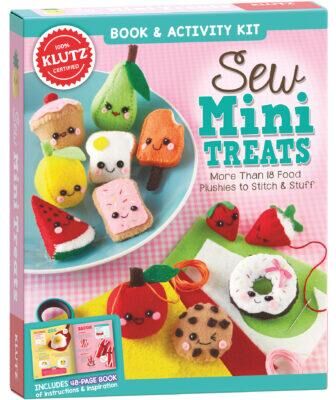
Klutz: Sew Mini TreatsMake your own felt food with fabulous faces. Includes instructions, patterns, and materials for more than 18 cheerful, itty-bitty food items as well as tips and tricks to customize your own designs. It's an instant recipe for fun!Comes with: 9...22,99 $*Shipping: 0,00 $Secure redirect to the provider
-
Insight Editions Home Alone: The Official AAAAAAdvent Calendar Christmas Countdown with Festive SurprisesEight-year old Kevin has the house all to himself when his family accidentally leaves him home alone for the holidays. But when two bumbling burglars knock on his door, Kevin has to devise a series of traps to defend his home! Re-discover this charming holiday classic with this interactive advent calendar featuring a pop-up tree, 25 paper ornaments recalling the film’s most memorable moments, and a bonus booklet of Kevin’s misadventures. This official Home Alone advent calendar is the perfect gift for fans of this classic film and is durable enough to last for many years to come! Create your own holiday centerpiece. Decorate the pop-up tree with the 24 hidden ornaments to create your own unique holiday centerpiece. Countdown to Christmas. Reveal a new ornament each day of December and watch your pop-up tree come to life! Each collectible ornament is inspired by an iconic moment from the film, from the McCallister’s lawn jockey statue to Harry’s gold tooth! The ultimate stocking stocker for Home Alone fans. Keep the holiday spirit alive all year long with this fun collectible!9,99 £*Shipping: 2,99 £Secure redirect to the provider
-
Why are intermolecular bonds typically weaker than covalent bonds?
Intermolecular bonds are typically weaker than covalent bonds because they involve interactions between molecules rather than within a single molecule. In intermolecular bonds, the attractive forces between molecules, such as van der Waals forces or hydrogen bonding, are weaker than the strong sharing of electrons in covalent bonds. Additionally, intermolecular bonds are more easily broken or disrupted by changes in temperature or pressure, leading to lower bond energies compared to covalent bonds. **
-
Why are intermolecular bonds generally weaker than electron pair bonds?
Intermolecular bonds are generally weaker than electron pair bonds because they involve interactions between molecules, which are larger and less localized than the interactions between atoms in a covalent bond. In intermolecular bonds, the attractive forces are typically weaker due to the larger distance between molecules and the lack of direct sharing of electrons. In contrast, electron pair bonds involve the sharing of electrons between atoms, leading to stronger and more localized bonding interactions. **
-
Why are intermolecular bonds typically weaker than electron pair bonds?
Intermolecular bonds are typically weaker than electron pair bonds because they involve interactions between molecules rather than within a single molecule. In intermolecular bonds, the attractive forces between molecules are generally weaker than the covalent bonds that hold atoms together within a molecule. Additionally, intermolecular bonds are usually based on weaker forces such as van der Waals forces, hydrogen bonding, or dipole-dipole interactions, which are not as strong as the sharing or transfer of electrons in covalent or ionic bonds. **
-
Why are polar bonds lower in energy than nonpolar bonds?
Polar bonds are lower in energy than nonpolar bonds because they involve the unequal sharing of electrons between two atoms with different electronegativities. This unequal sharing creates a dipole moment, which results in an attractive force between the partially positive and partially negative ends of the molecule. This electrostatic attraction lowers the overall energy of the molecule compared to nonpolar bonds, where electrons are shared equally. As a result, polar bonds are typically stronger and more stable than nonpolar bonds. **
* All prices are inclusive of VAT and, if applicable, plus shipping costs. The offer information is based on the details provided by the respective shop and is updated through automated processes. Real-time updates do not occur, so deviations can occur in individual cases. ** Note: Parts of this content were created by AI.